Practical tips for travel photography in Spain

Since moving to Spain last year, I’ve been reenergized to continue with travel photography. You can read more about this transition in the article “Moving to Spain from the United States. Our NLV Visa Journey to Costa del Sol.”

Interestingly, my connection to this type of photography also started in Spain many years ago, back in 2013, during my first solo trip. I visited cities like Barcelona, Valencia, Sevilla, and Madrid. It was an empowering and enriching experience that stayed with me and eventually led me to Cancún, Mexico, where I lived for nine years.

In Mexico, I continued practicing travel photography, although my photography business at the time, focused on weddings, family, underwater, and fashion photoshoots, took most of my attention. Still, travel photography always remained something I returned to whenever I could. It is exploratory by nature, and I’ve always felt that travel itself is about exploration. In that sense, travel photography gently pushes you to see differently, to observe more carefully, and to stay curious.

At the same time, it is also challenging. You are constantly working within time limits, being in one place only briefly often forces you to act quickly, sometimes almost scanning scenes instead of deeply observing them. But that tension is part of the creative process: balancing urgency with awareness, instinct with intention.

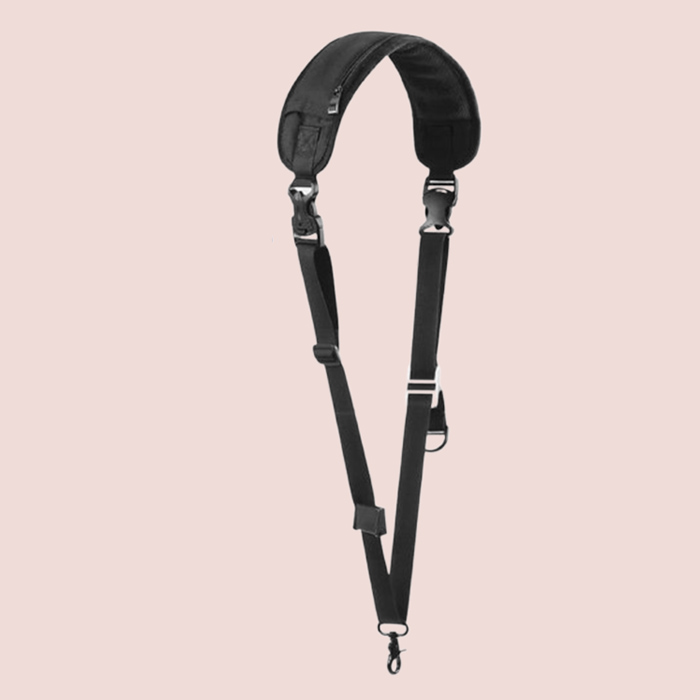
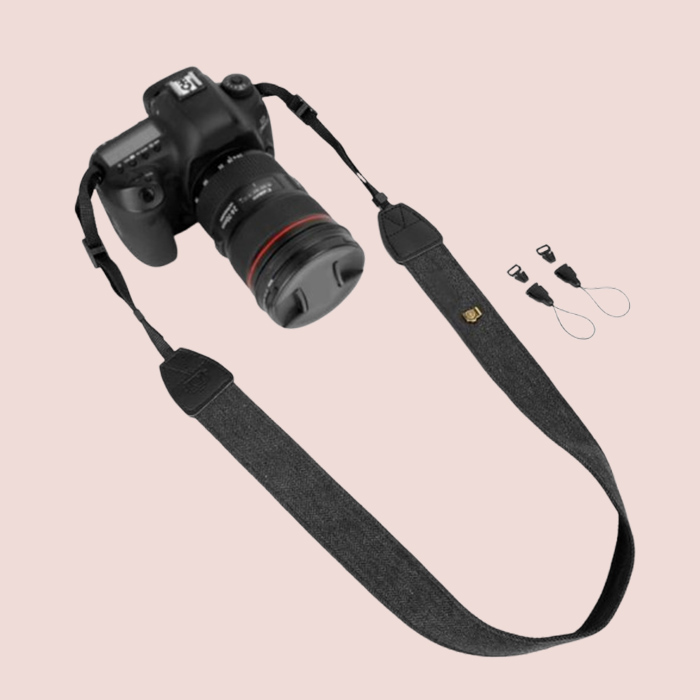
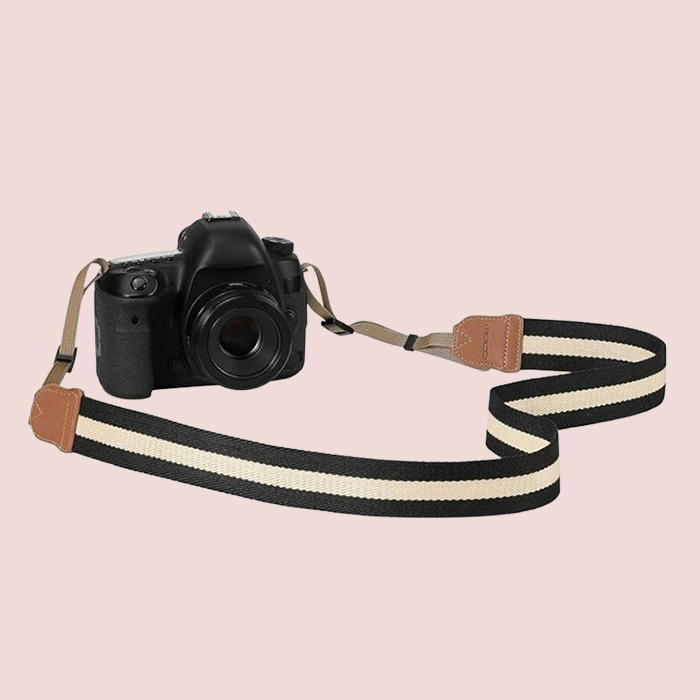
Curious about the gear behind these photos? I’ve listed my photography setup at the end of this article.

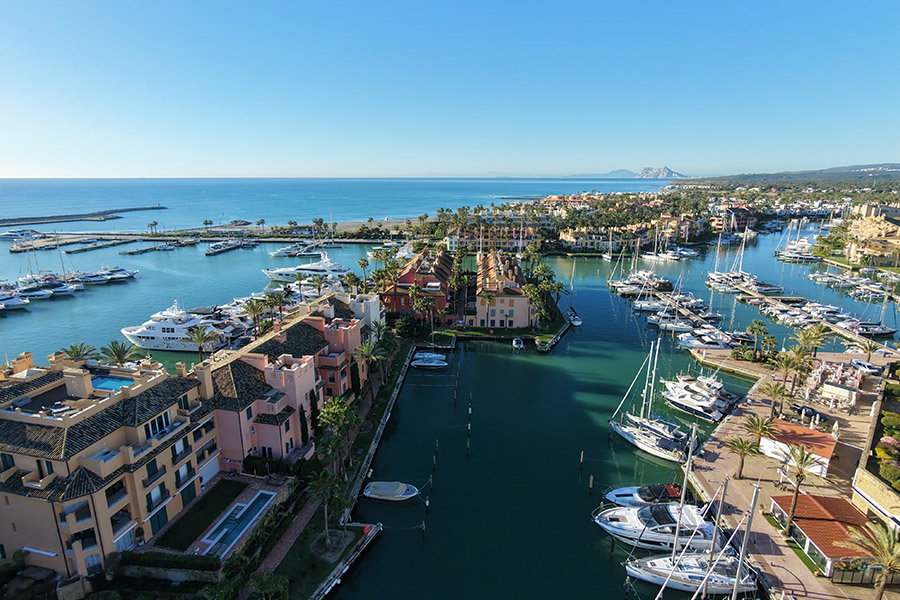
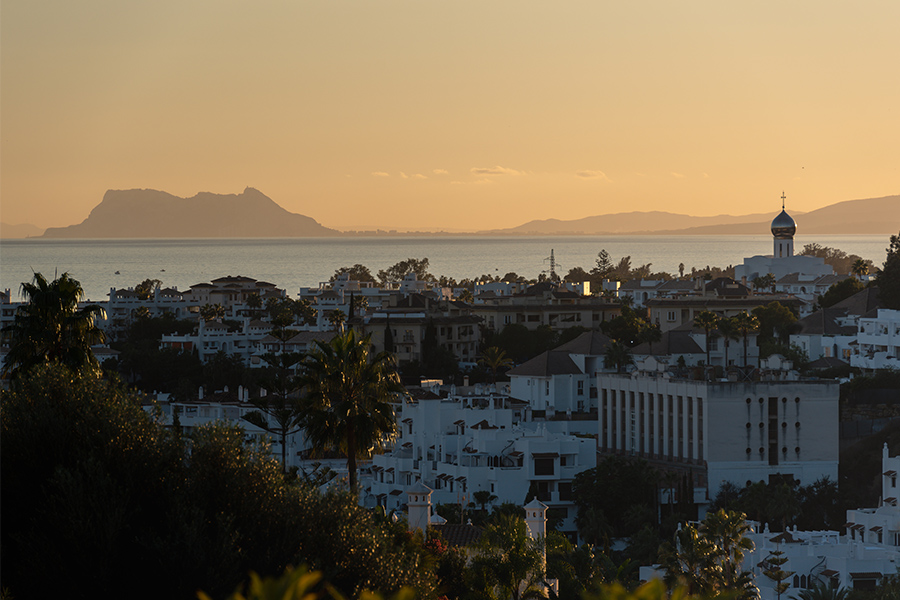
drone-photography-sotogrande-spain-travelphotos
Photo taken with Drone DJI NEO 2 in Sotogrande, Spain
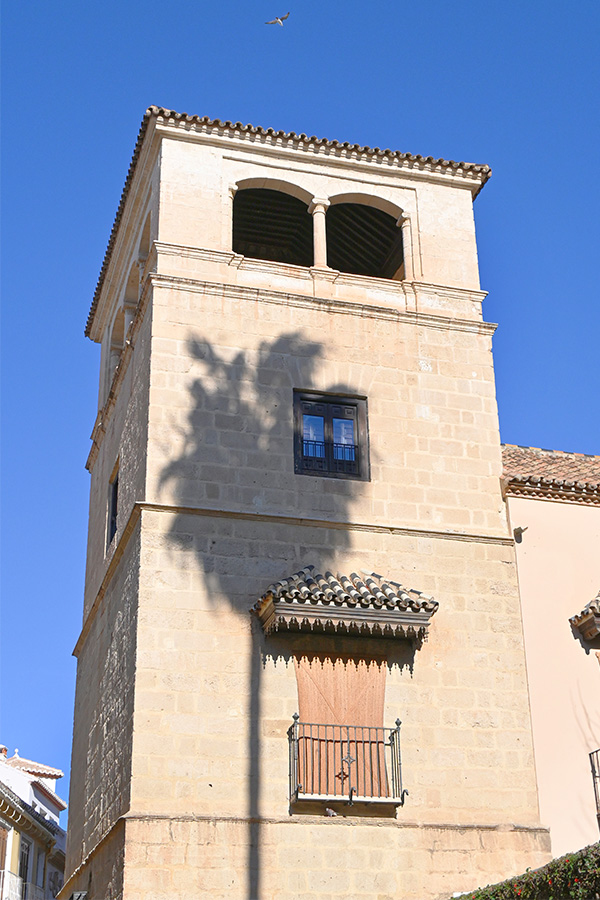
creative-travel-photos-travel-in-spain
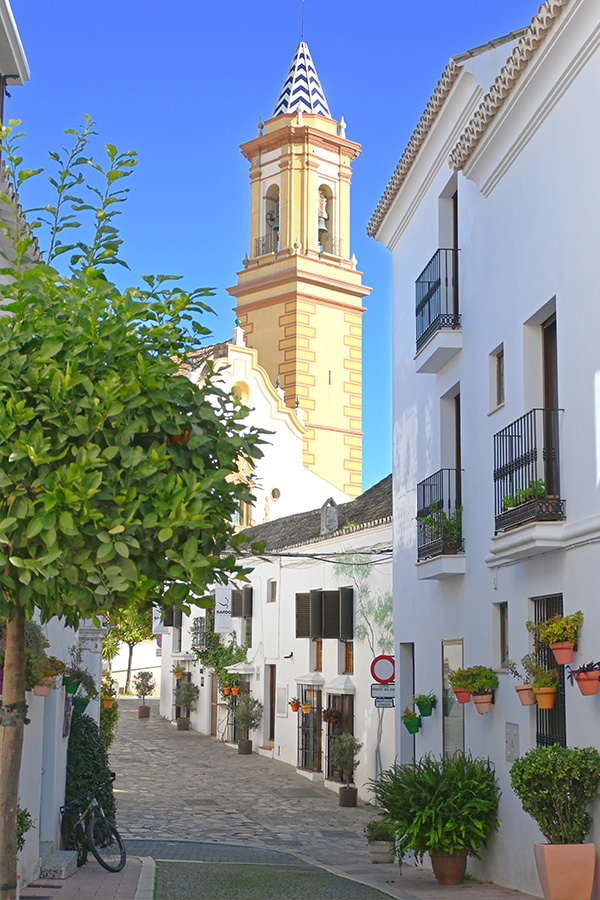
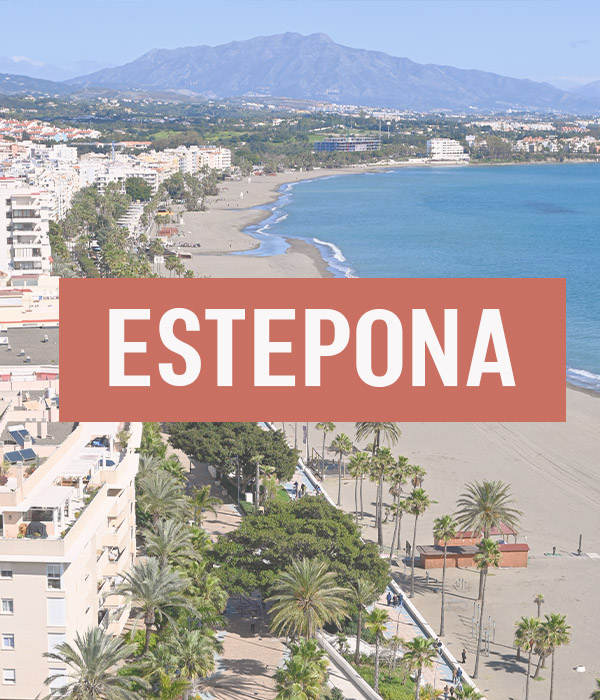
photos-travel-spain-estepona

Spain as a place for travel photography

Spain is a visually rich country with deep history, diverse landscapes, and warm cultural energy. From mountains and coastlines to old towns and modern cities, it offers endless opportunities for travel photos.

I also talk more about Spanish food culture in another article (“Falling in Love with Spanish Food in Marbella One Plate at a Time”), because for me, food and visual experience are always connected when I travel.

What I’ve noticed is that Spain feels naturally suited for travel photography. There is variety everywhere, and even everyday life carries a certain aesthetic quality. One day you can be photographing the intricate details of the Alhambra in Granada, with its delicate Moorish architecture and layered history, and the next you can be standing in front of the openness of Plaza de España in Seville, where light, symmetry, beautiful tiles (azulejos), scale create an almost cinematic atmosphere.

Then you move to Barcelona, where the energy completely shifts again, futuristic architecture, bold geometry, and streets that feel more experimental and modern, especially in areas influenced by Gaudí’s legacy. Each city feels visually distinct, almost like a different visual language, which makes Spain incredibly rich for travel photography.

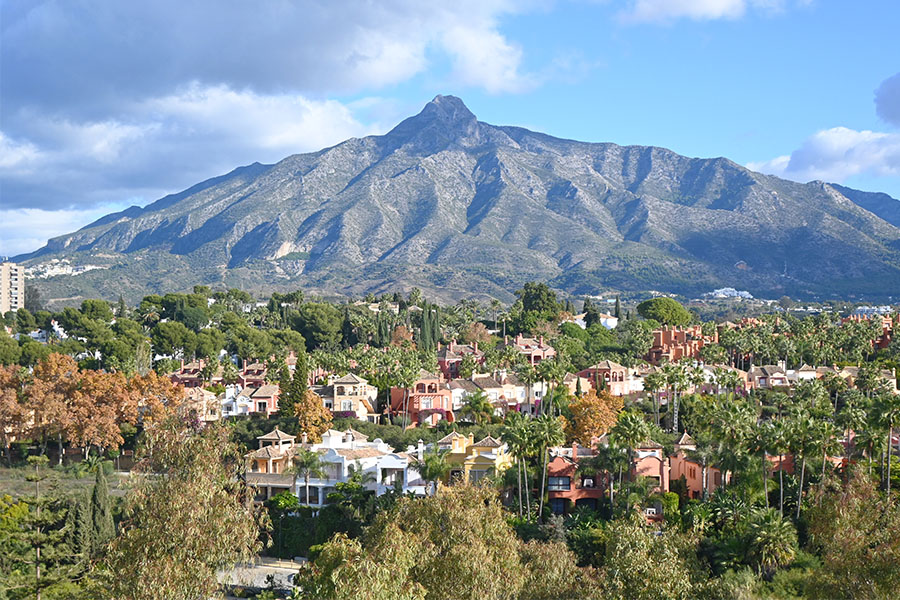
photo-of-la-concha-mountain-spain
La Concha is the iconic $1,215$-meter peak of the Sierra Blanca range that towers over Marbella, Spain. Named "The Shell" for its distinctive fluted ridges, it acts as a natural barrier that creates the city's mild microclimate.

Practical Tips for travel photography in Spain

1. The importance of lenses

A telephoto lens quickly became essential here in Spain. I realized this just a week after arriving. While walking through different areas of Marbella, where we currently live, and taking photos with my Nikon Z30 I felt the need to reach deeper into the distance and isolate details I couldn’t fully capture otherwise.

This is where a telephoto lens becomes very useful. It was actually my favorite lens during beach family photoshoots in Cancún. Over time, I switched more often to a Nikkor 24–70mm lens, which became my long-time favorite for its versatility, especially during my work as a freelance travel photographer. Now, I find myself using both depending on the moment because Spain is a place where flexibility matters.

mountains-background-travel-in-spain-photos
Photos taken with Nikon D750 and Nikkor 70-200
The-Rock-of-Gibraltar-looms-majestically-behind-a-hazy-cityscape-framed-by-blurred-green-foliage copy
The-Rock-of-Gibraltar-stands-at-the-end-of-a-sunny-sandy-beach-with-a-white-lifeguard-tower copy
The-Rock-of-Gibraltar-is-seen-from-a-high-vantage-point-overlooking-a-winding-highway-and-lush-hills copy
View of the Rock of Gibraltar (near La Alcaidesa, Spain)

2. Light in Spain

After more than a decade of outdoor beach photoshoots, I developed a strong preference for soft, diffused light, especially when clouds filter the sun. It feels gentle and predictable.

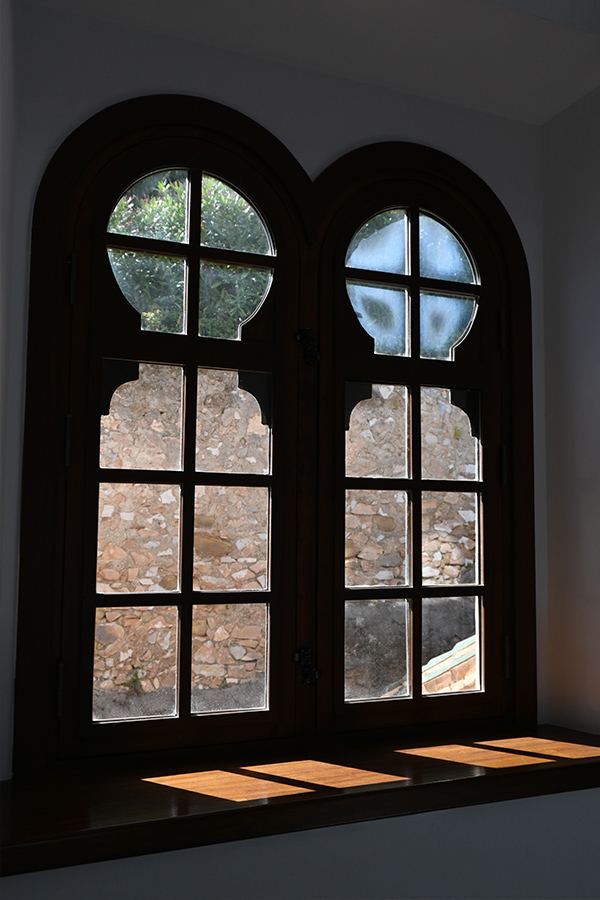
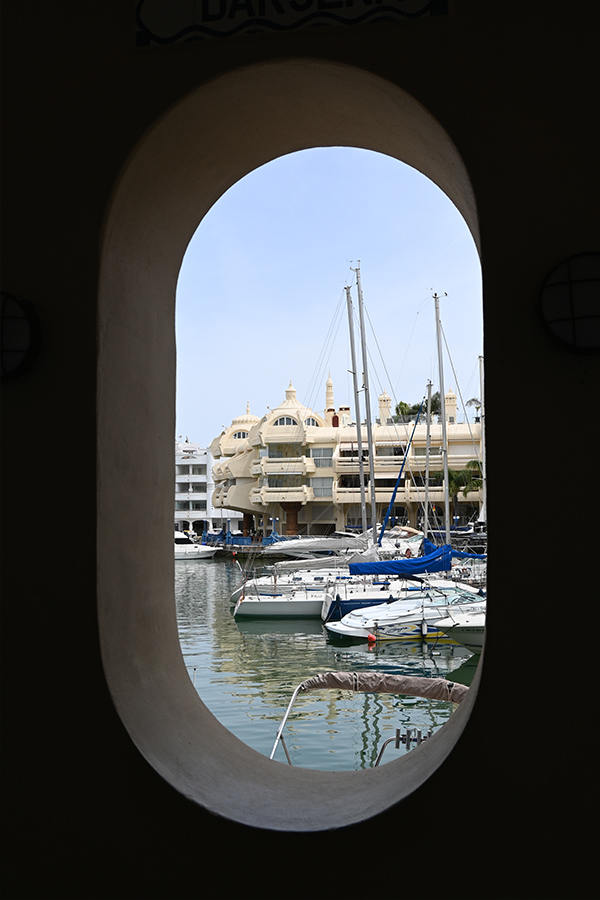
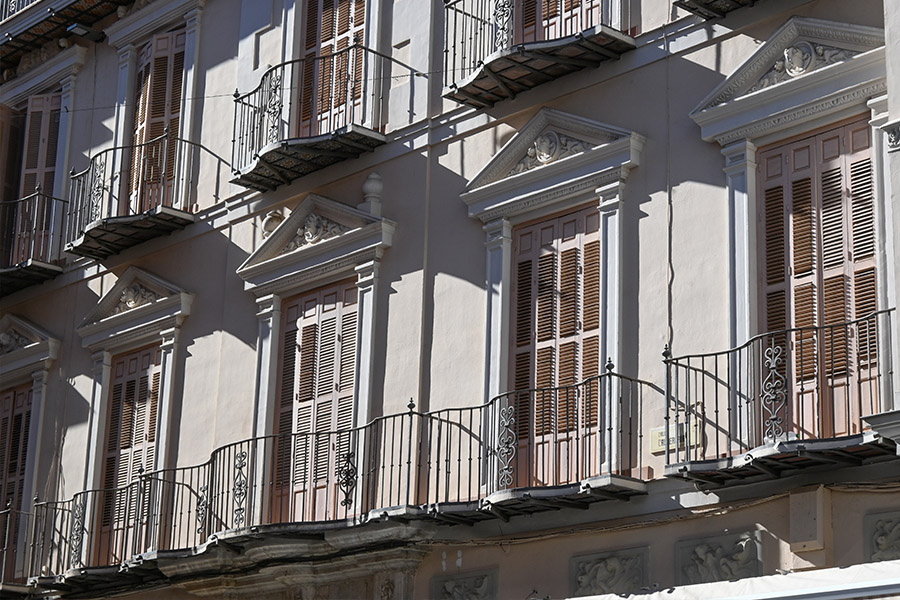
But in Spain, I’ve also started to appreciate the opposite: strong sunlight and sharp contrasts. The intense shadows create depth and structure, adding a different emotional layer to images. It can be challenging for exposure, but like everything in photography, you adapt and learn to work with it.

light-shadows-street-travel-photography-spain
light-shadows-street-spain-photos
travel-photography-photos-light-window
travel-through-light-photos
shadows-on-walls-spain-photos
palmtrees-in-spain-reflected-on-wall-photos

3. Old towns and small villages

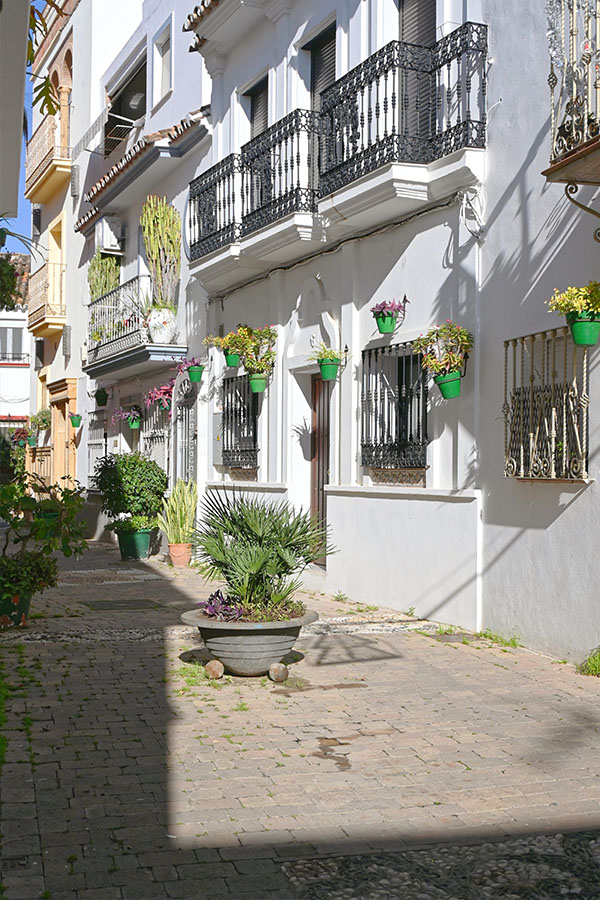
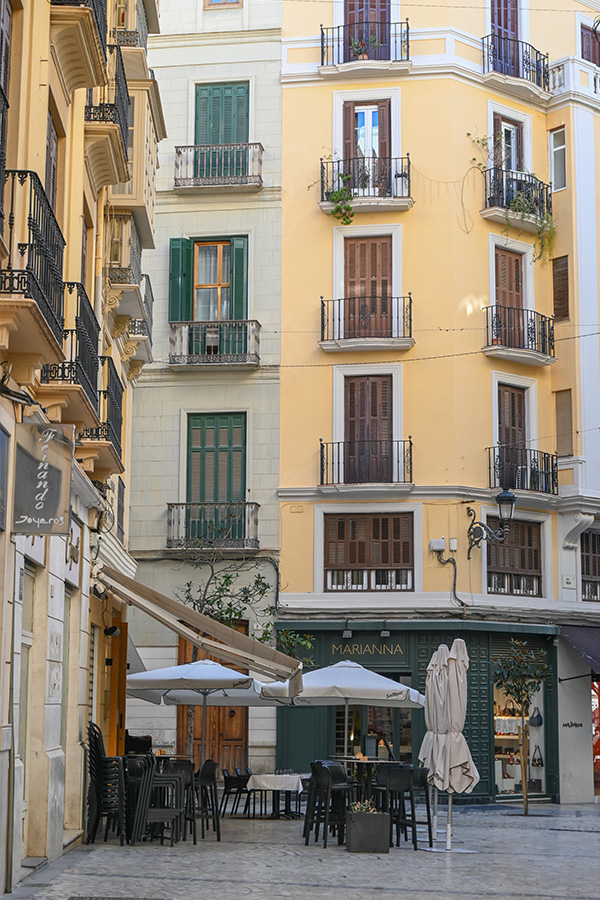
The old parts of cities, often called Old Towns, are some of the most visually interesting places to explore.

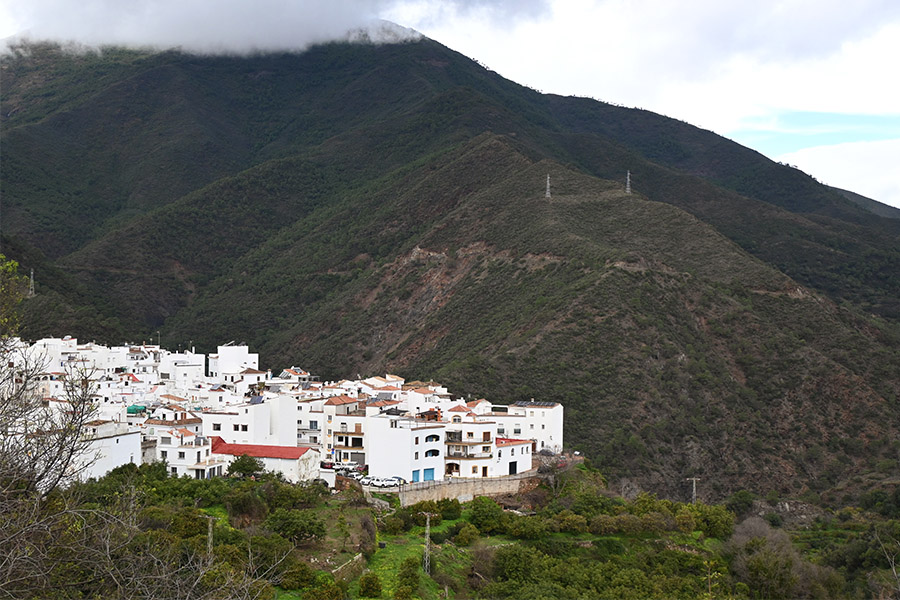
Small inland villages, especially those near mountains (like Casares, Ojen, Frigiliana in Malaga province), feel like visual labyrinths. You turn a corner and suddenly find a completely different composition, texture, or light direction. It feels almost like a visual kaleidoscope, which makes them ideal for travel photos.

istan-town-spain-travel-to-take-photo
Photo taken with Nikon z30. Istan, Malaga province.
drone-photo-monda-town-malaga-spain-travel-explore
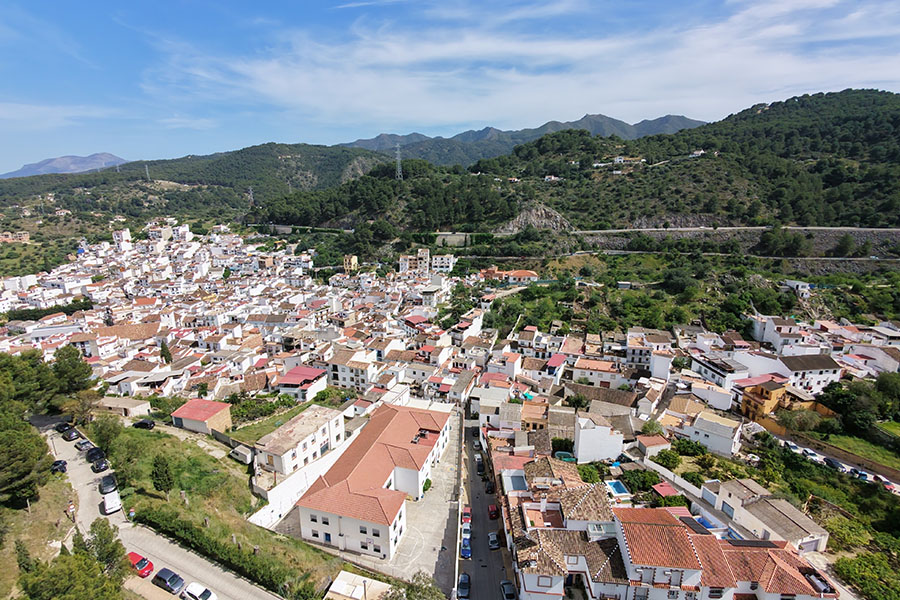
Monda, Spain. Photo taken with drone DJI NEO 2

4. Everyday urban layers

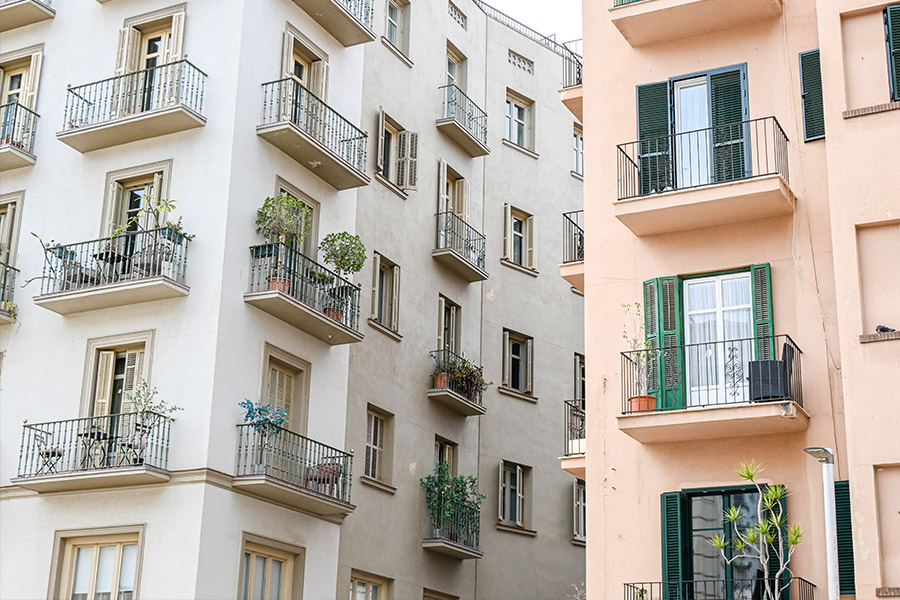
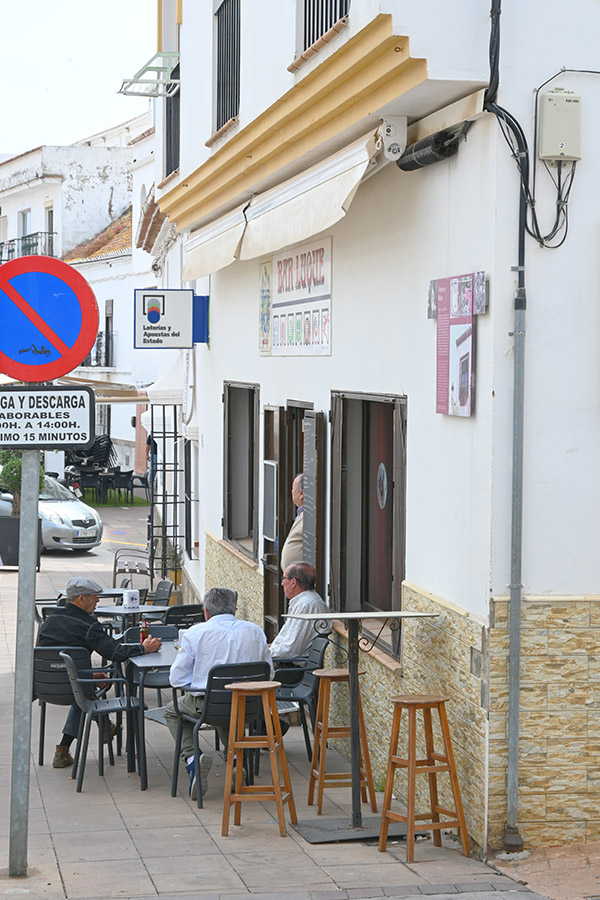
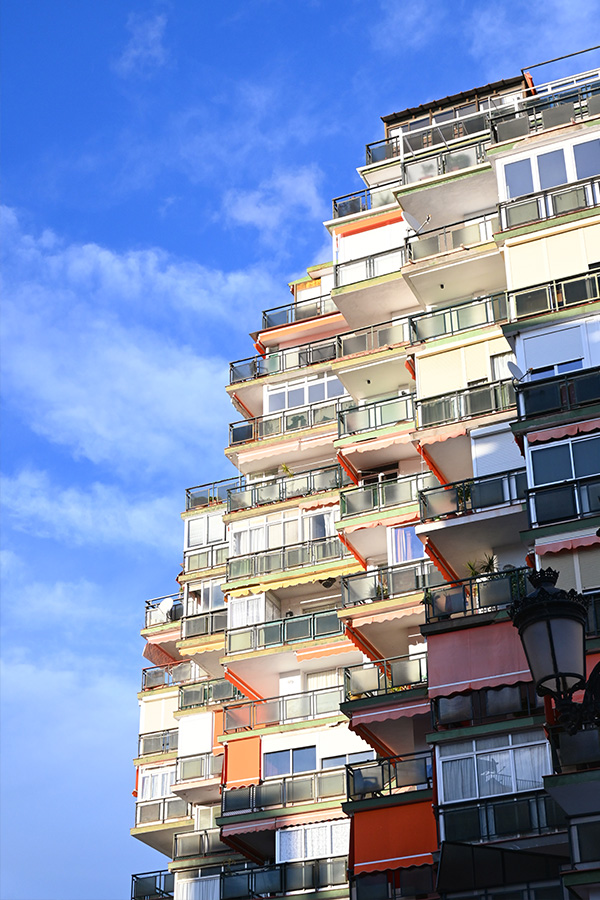
Historical and aesthetically interesting areas are typically located within the old towns of each city, especially in the smaller towns mentioned above. Most often, areas beyond these historic centers are lined with simple modern apartment buildings, filled with cafés, bars, shops, convenience stores, pharmacies, and other small businesses that are essential for everyday life. While these areas may feel less visually “historic”, artistic or travel-photography-worthy at first glance, they can still be very interesting if you are into street photography, regardless of the historical or architectural context.

architecture-balconies-spain-travel-photos
architecture-modern-old-travel-spain
architecture-travel-photography-inspain
travel-photos-spain-malaga
travel-photos-spain-madrid

5. Finding a view from above

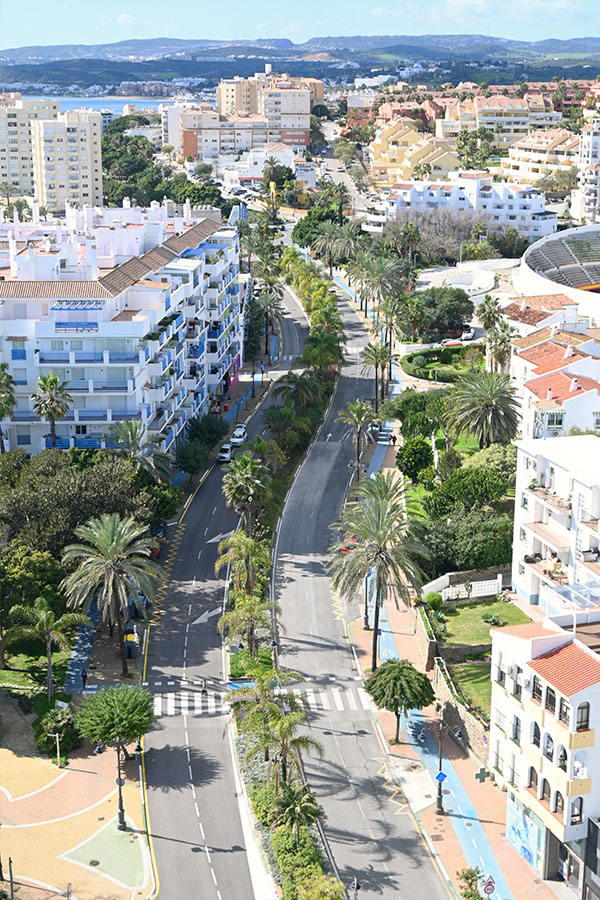
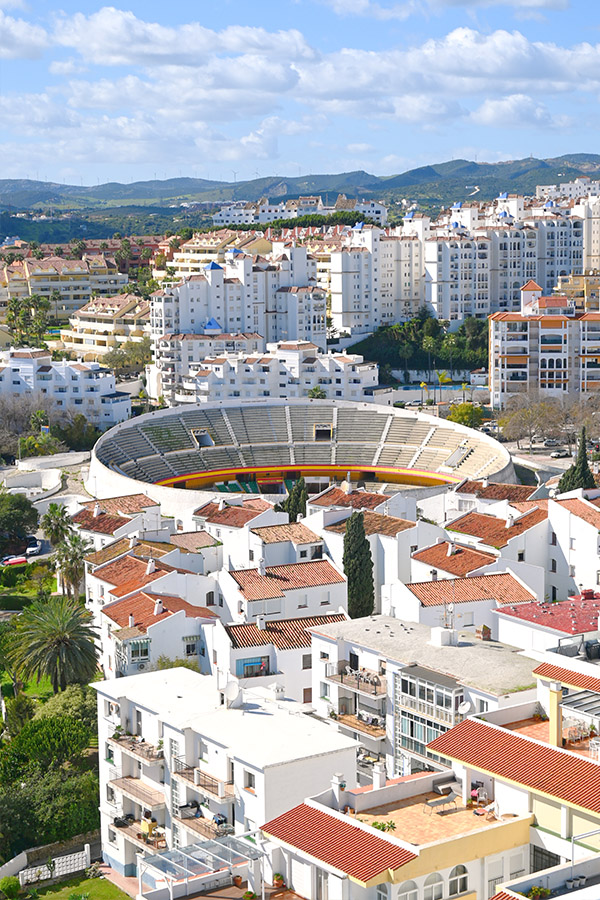
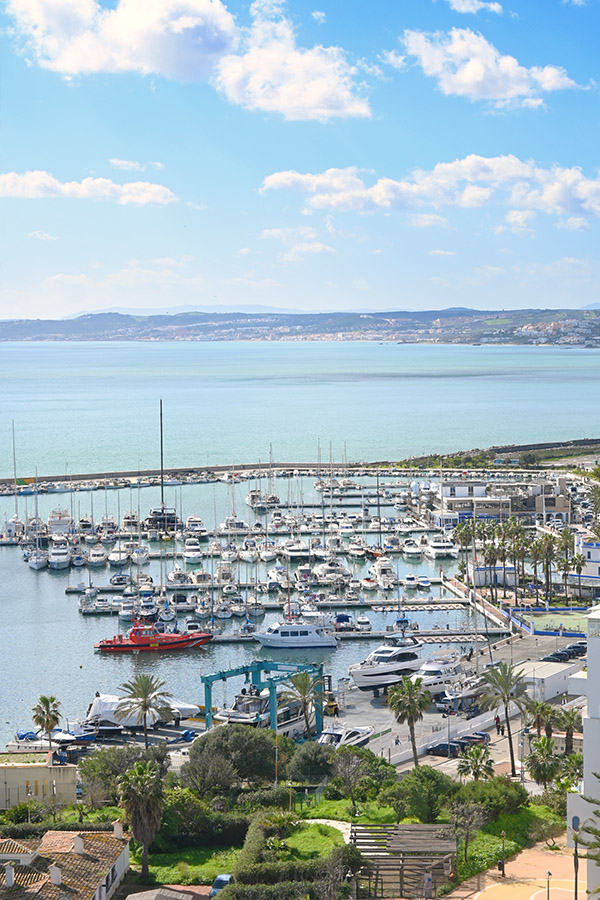
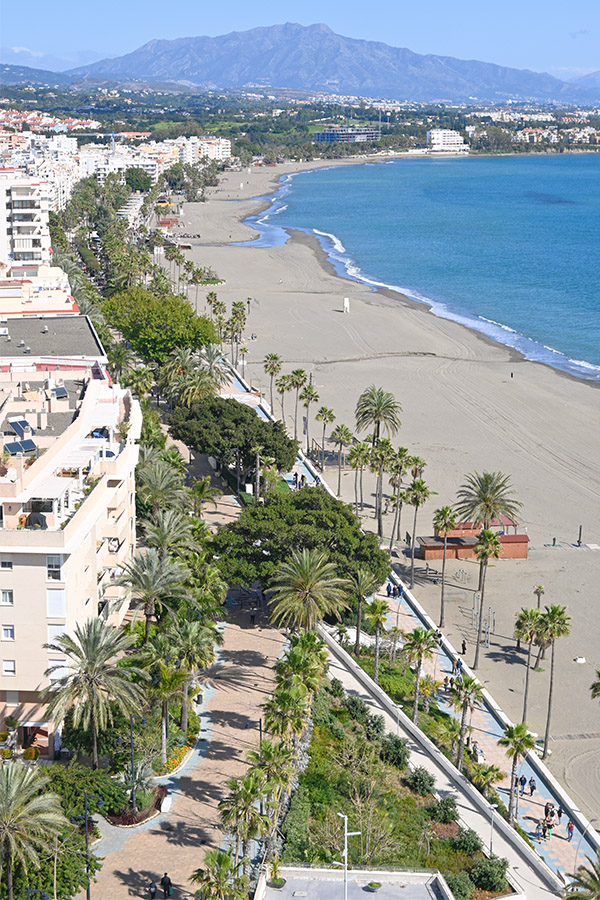
Many European cities, including those in Spain, have a dense and layered structure. Because of that, when you look at them from above, they create almost a labyrinth-like visual. Whenever I travel within Spain, I always try to find a higher point: a tower, a viewpoint, a restaurant terrace, or even a hill within the city. These perspectives allow you to capture how everything connects: rooftops, streets, patterns, and movement. The images often feel visually dense, but that’s exactly what makes them interesting. There is a lot happening in one frame, and each part tells its own small story.

streets-of-spain-from-above-travel-photography
travel-photos-in-spain-estepona
travel-photography-spain-estepona-view-from-above
beach-photo-spain-costa-del-sol-malaga-travel

6. Storytelling in travel photography

One of the most important parts of travel photography is storytelling.

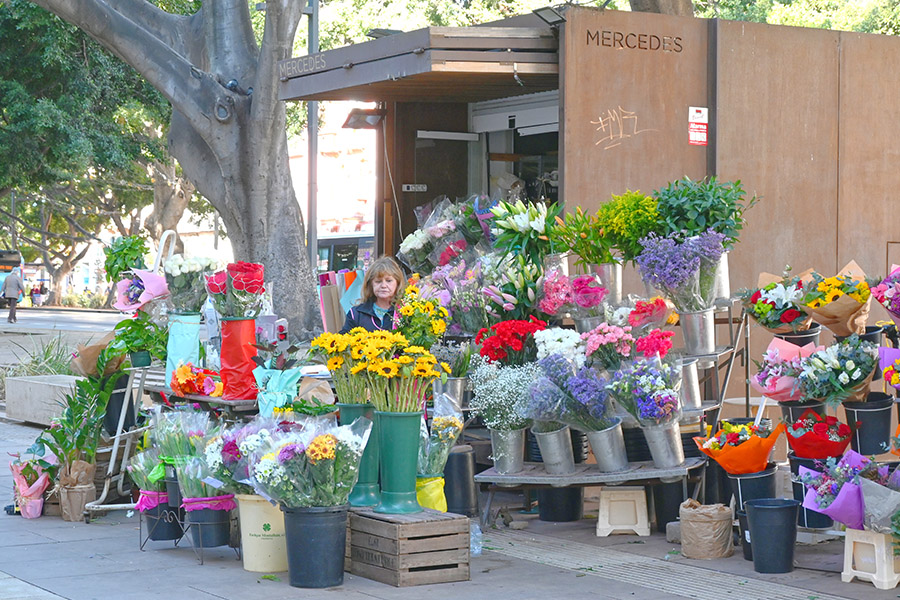
For me, that often means including people, showing life as it happens. But this is also one of the most difficult parts. Photographing strangers in an unposed, documentary way takes confidence and practice. For a long time, I felt uncomfortable doing it because it can feel intrusive.

My personal way of working through this has been to use my Nikon Z30 as a tool to gradually build that confidence. It helps me observe more naturally and practice that “courage muscle” needed in real-life travel photos.

flower-vendors-on-street-in-spain-photo
peoole-on-streets-travel-photography
street-travel-photography-in-spain
photographing-people-on-streets-spain
travel-photography-taking-photos-of-people-on-streets

7. Research vs. exploration

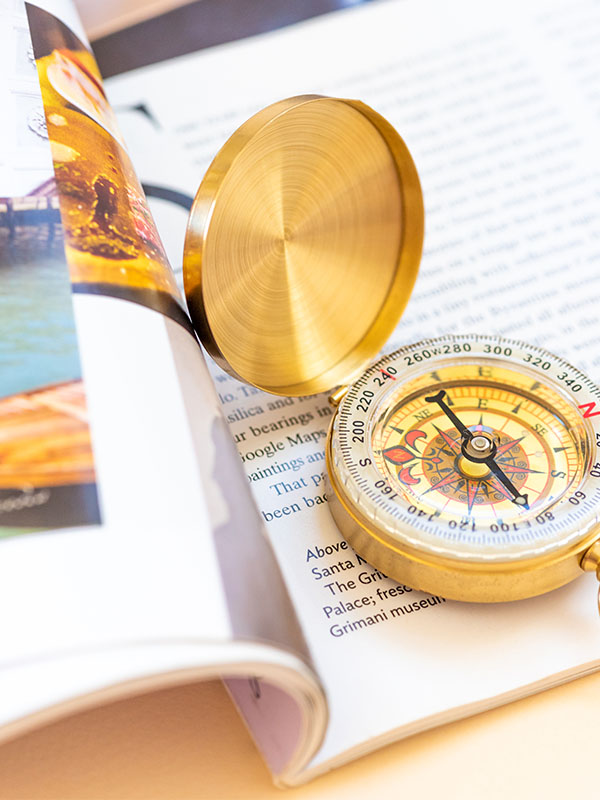
I always recommend researching your destination before a photography trip to Spain. It helps to understand the structure of a place, its key locations, and its visual highlights.

But research should never limit exploration.

Some of the best moments in travel photography happen when you simply walk without a plan. Preparation gives you direction, but curiosity creates discovery. Like they say, great artists learn composition rules so they can break them later to create masterpieces. In the same way, research helps you prepare, but the real magic happens when you go beyond maps and tourist spots.
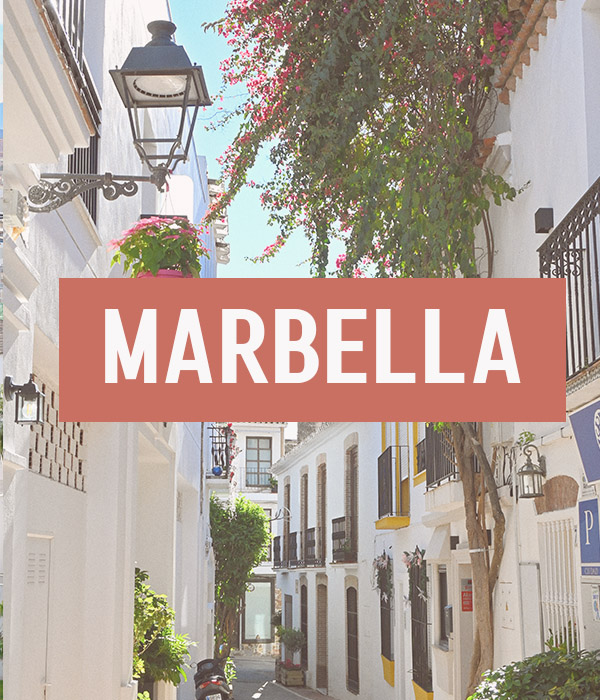
If you need guides about Spanish cities, click on any of the photos below:

8. Walking as part of the process

Travel photography in Spain involves a lot of walking. Europe in general is very walkable, and Spain is no exception.

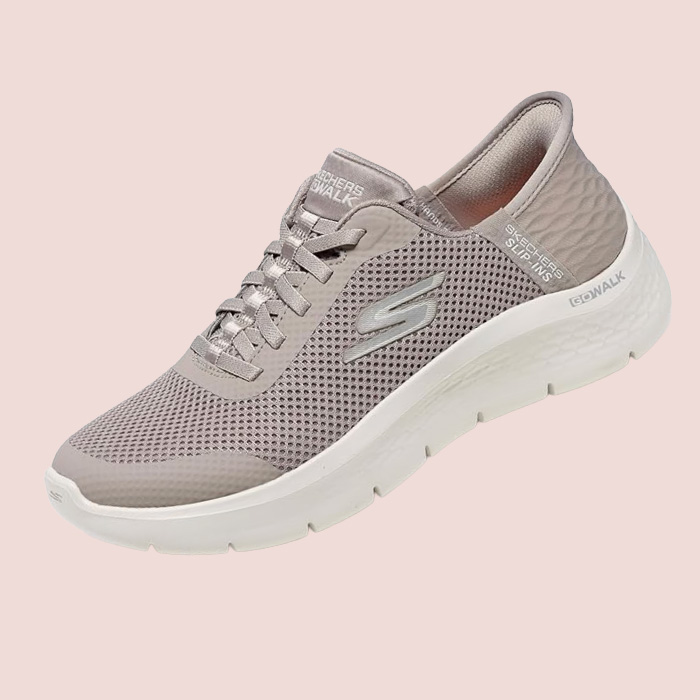
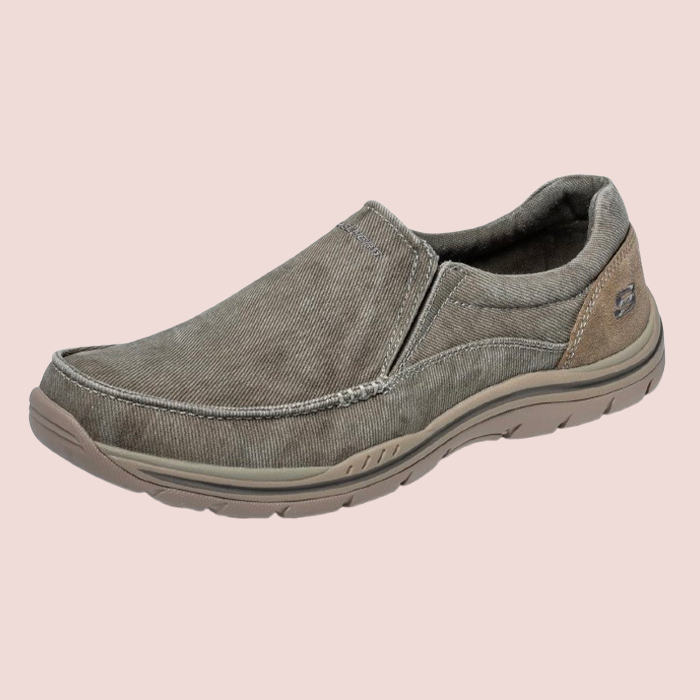
To truly build a meaningful collection of travel photos, you need to move through spaces slowly and consistently. Comfortable shoes become part of your gear. I usually travel with two or three pairs depending on the trip.

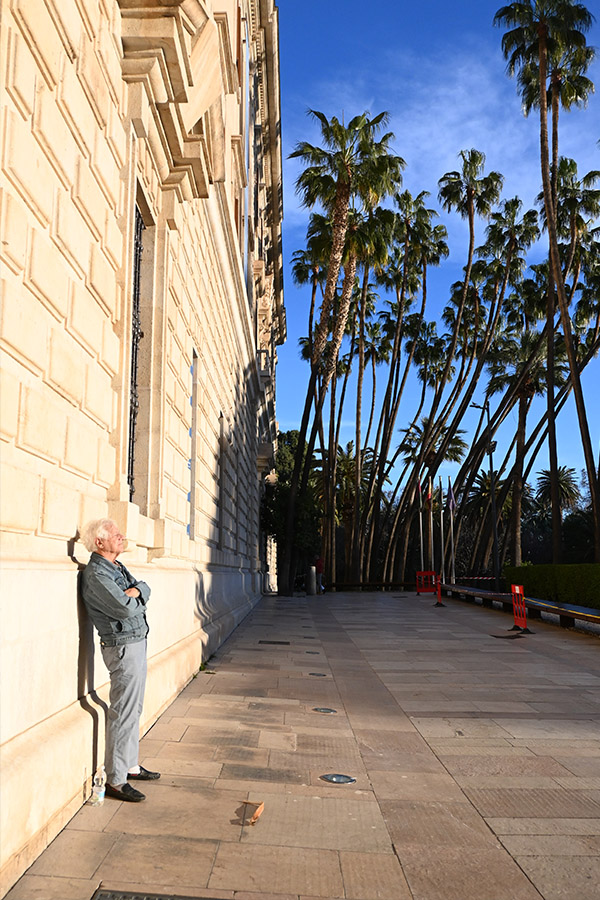
What I also noticed is that walking changes the way you see a place. When you are not rushing from point A to point B, you start noticing small transitions, how light shifts from one street to another, how architecture changes from one block to the next, and how everyday life naturally unfolds. In a way, walking becomes part of the creative process itself. 

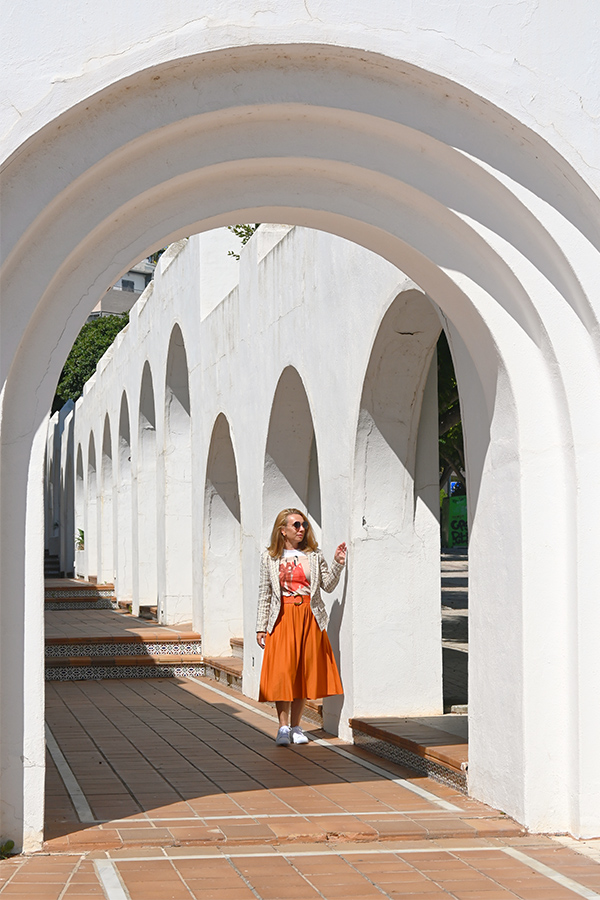
travel-photographer-in-spain
travel-photography-comfotable-shoes

Travel Shoes I recommend 

See something you like? Click the photo to check it out.

9. Night photography in old towns

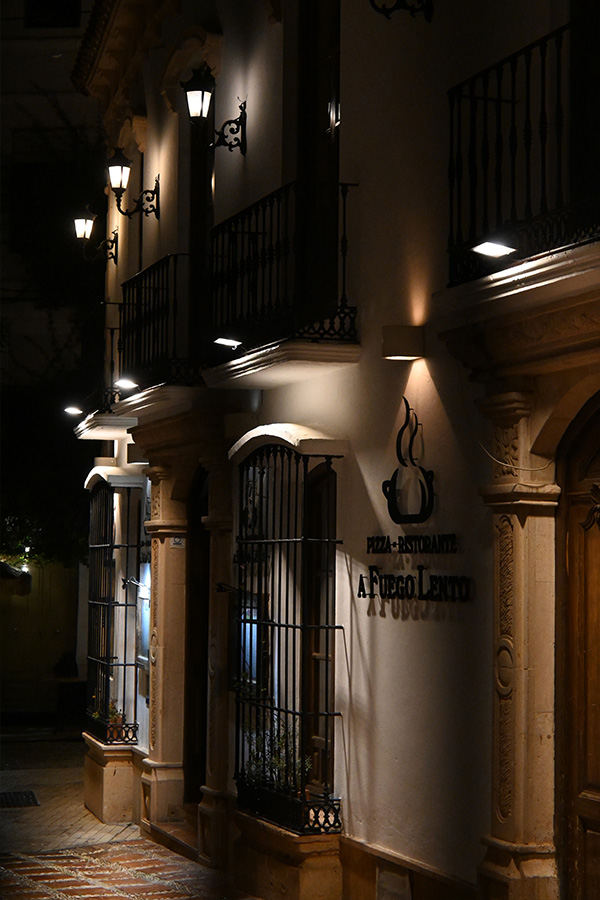
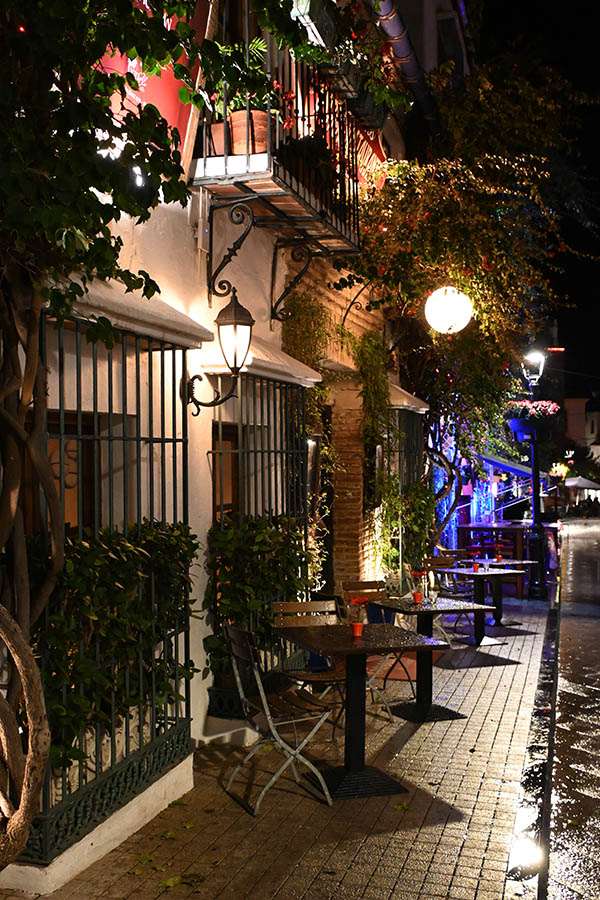
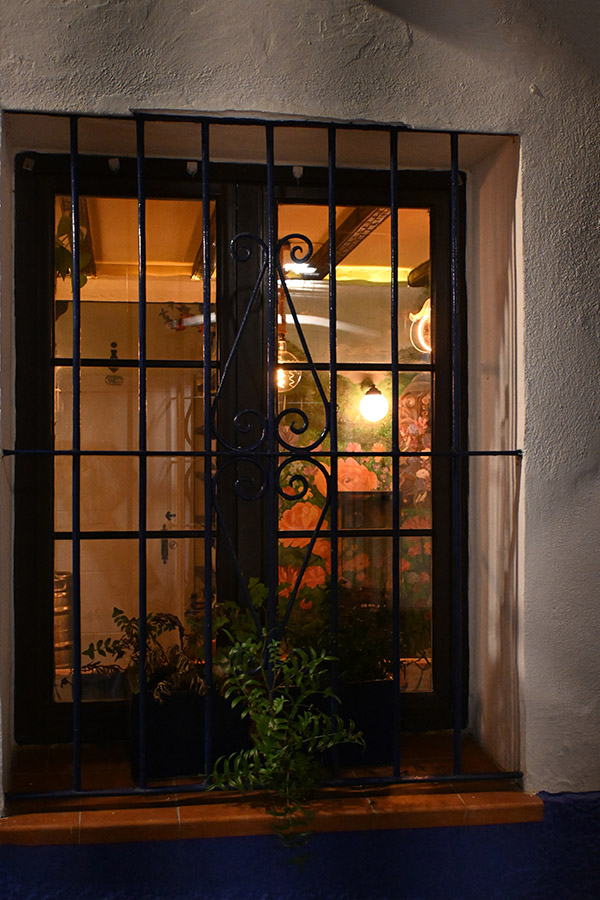
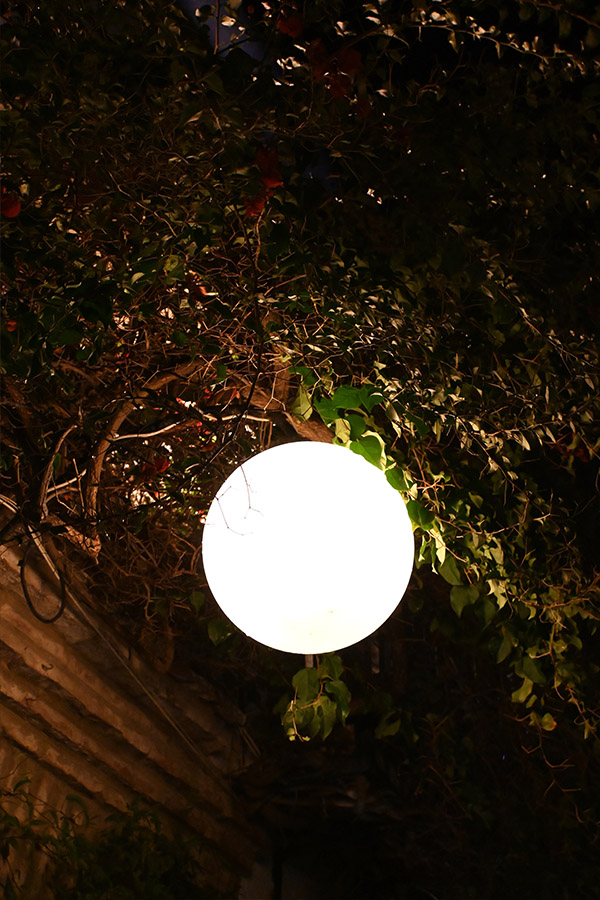
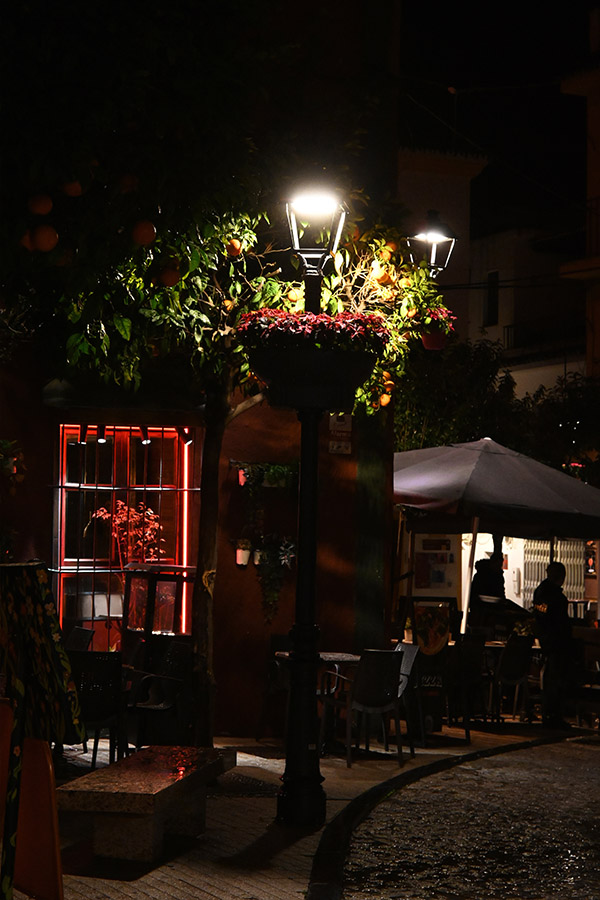
You might think that you need wide avenues or large city spaces, for example somewhere in Atlanta (like in this photo “Midnight in Atlanta”), to create interesting night photos. But what I discovered while photographing in Spanish old towns is that these smaller, more intimate spaces have incredible potential for travel photographers. The atmosphere is different. It feels more like a boutique setting, where light appears softly, almost like a candle placed on a table, drawing your attention and quietly telling a story. Late in the evening, when it gets dark, the streets transform. Small lamps, restaurant lights, and window glows become your main subjects. So, if you want to improve your travel photography in Spain, whenever you are in one of the old towns in Spain, take your camera out after sunset. Walk slowly, look for light, and let it guide your composition.

Photos below were taken in Marbella’s Old Town (Casco Antiguo), Spain.

night-photos-when-traveling-in-spain-light-street-marbella
tapas-bar-on-street-at-night-spain-travel-photos
light-coming-from-window-night-travel-photography-spain
walking--on-streets-of-spain-=at-night-taking-travel-photos
light-shining-from-lantern-traveling-in-spain
streets-at-night-travel-photos-from-spain

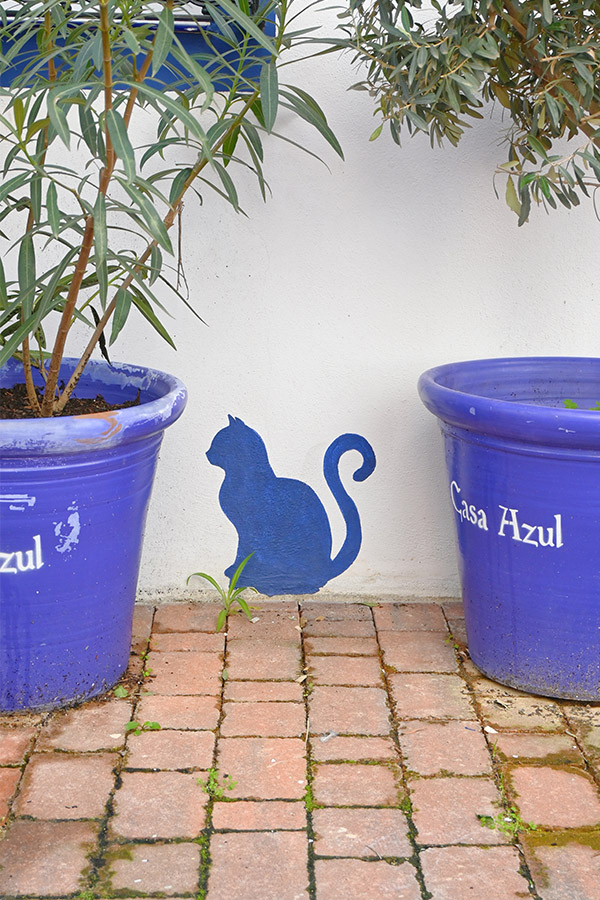
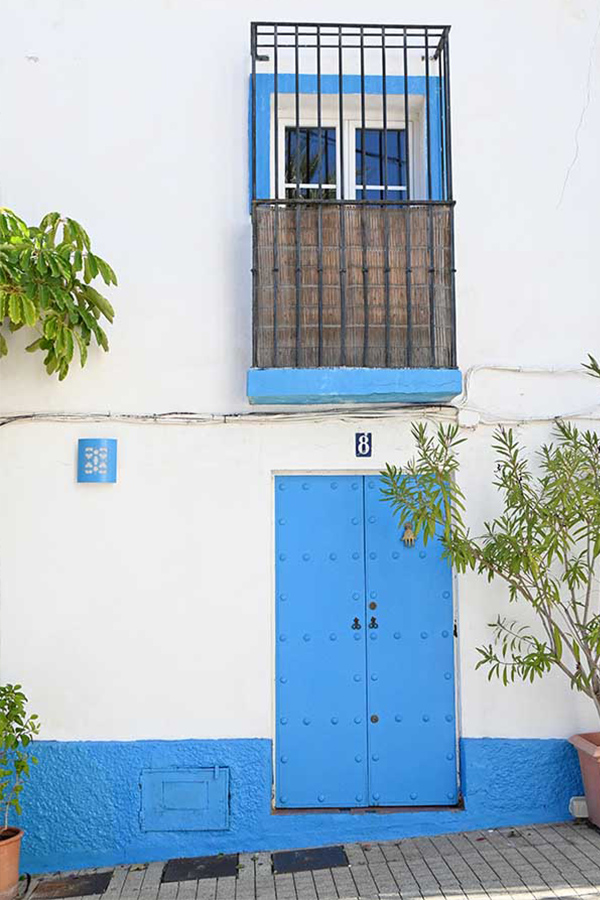
10. Focus on details

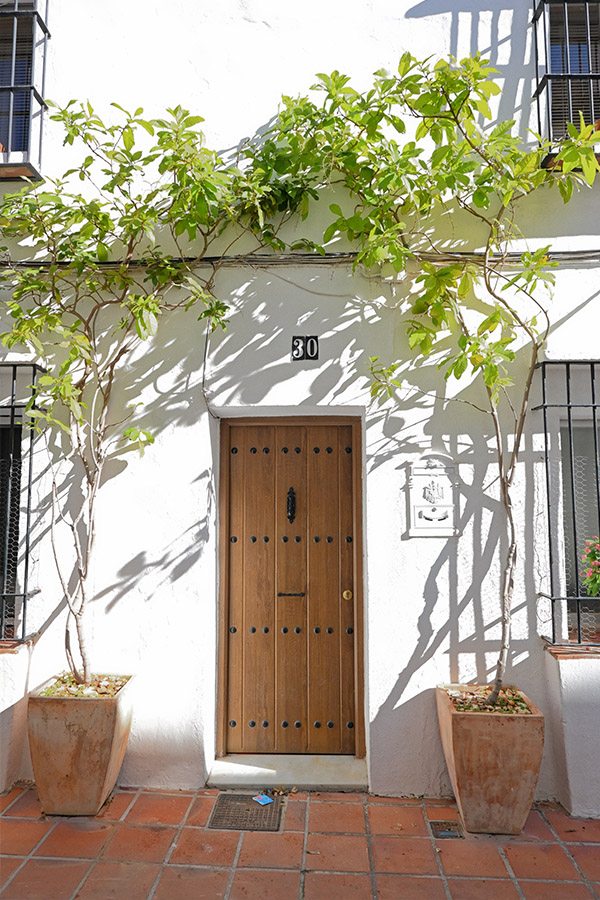
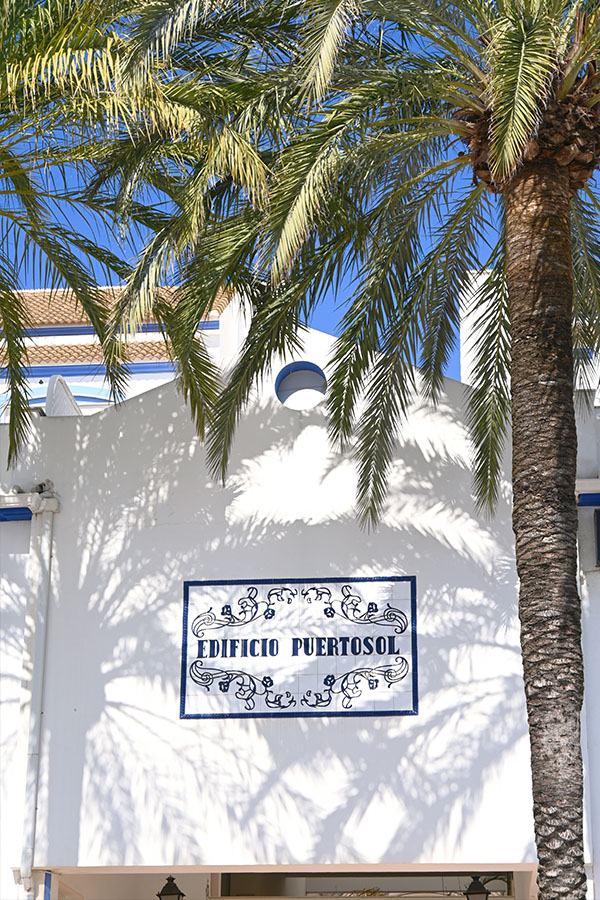
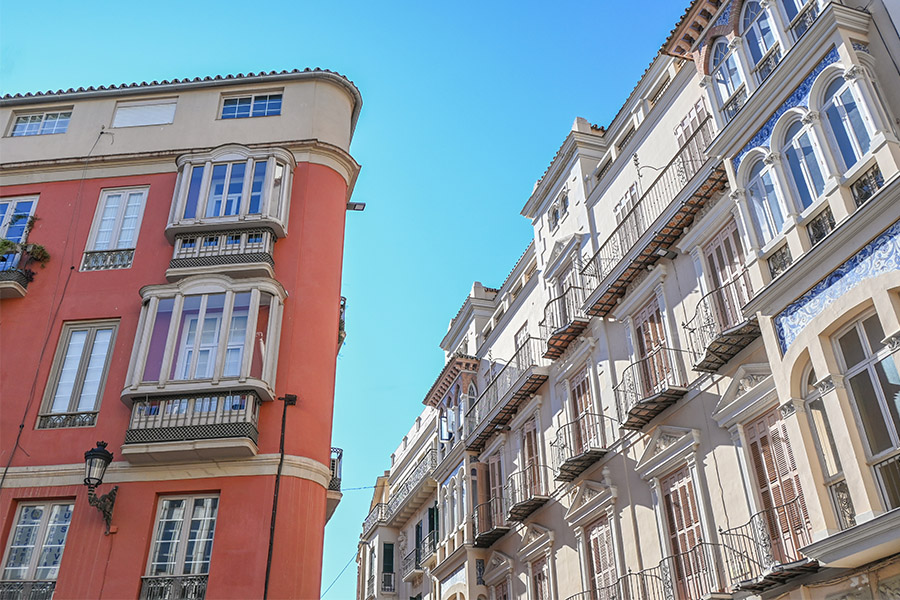
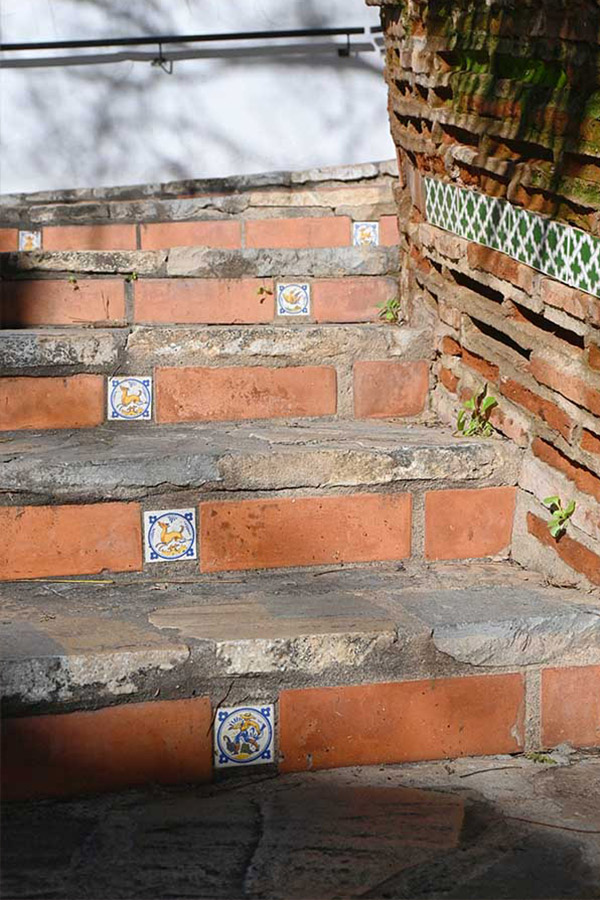
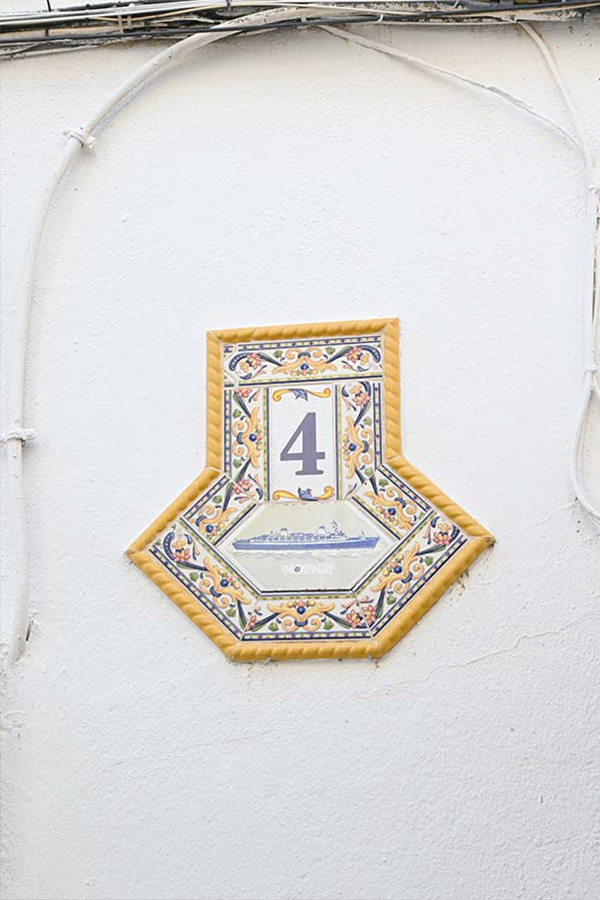
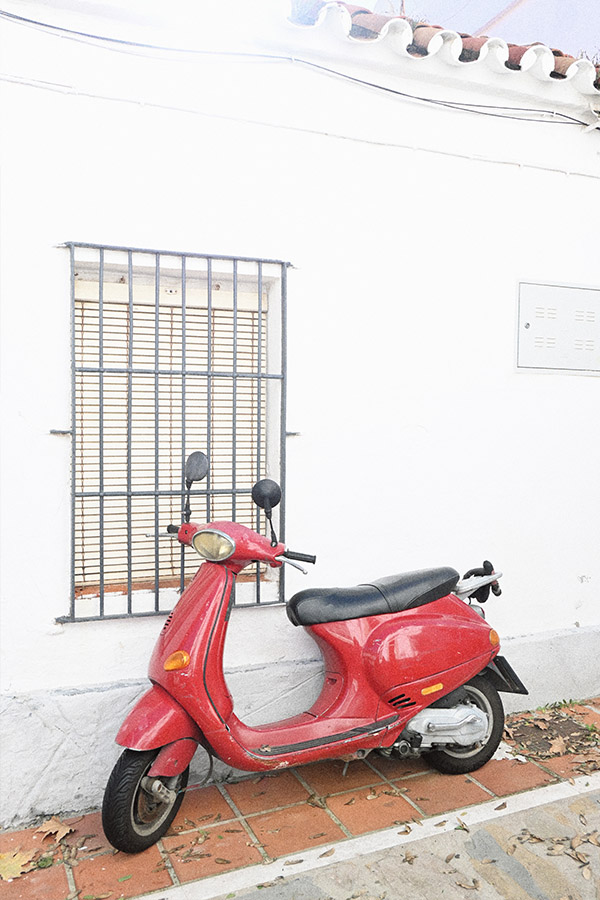
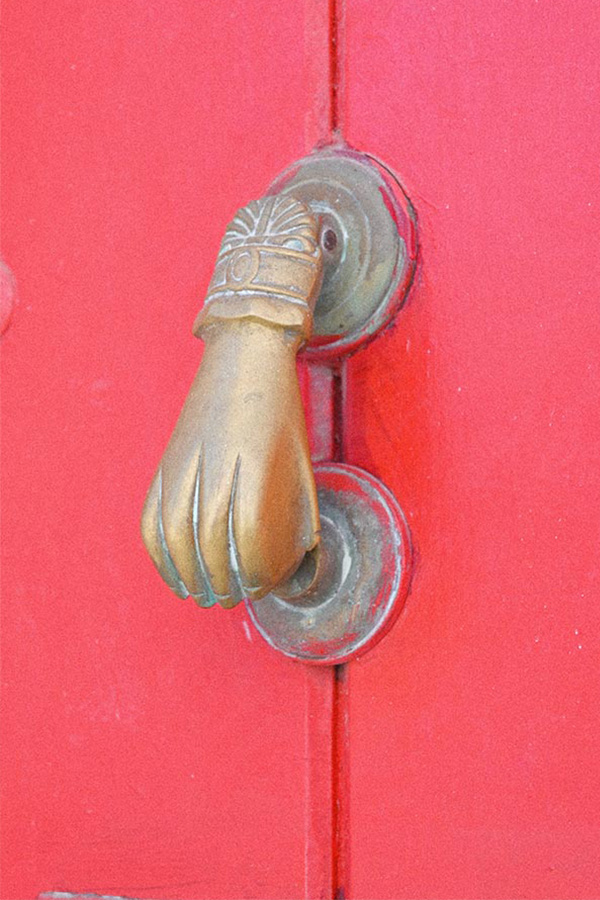
One of the most overlooked aspects of travel photography in Spain is the importance of details. Old towns in Spain are full of them, and this is something that is easy to overlook at first. Buildings here feel like small treasure boxes decorated with tiles, textures, balconies, iron details, and little elements that you only notice when you slow down. Travel photography in Spain is not always about wide shots. Sometimes the most interesting travel photos come from focusing on a small detail that carries character. To capture this, you need to pause, observe, and be ready with your camera. The beauty is often in those quiet, easily missed moments.

details-blue-cat-painted-on-wall-spain
details-travel-photos-blue-wall
details-cartas-letters-spain
details-when-travel-spain
details-travel-in-spain-photos
details-red-scooter-spain
details-photo-travel-in-spain

11. Architecture and the beauty of imperfection

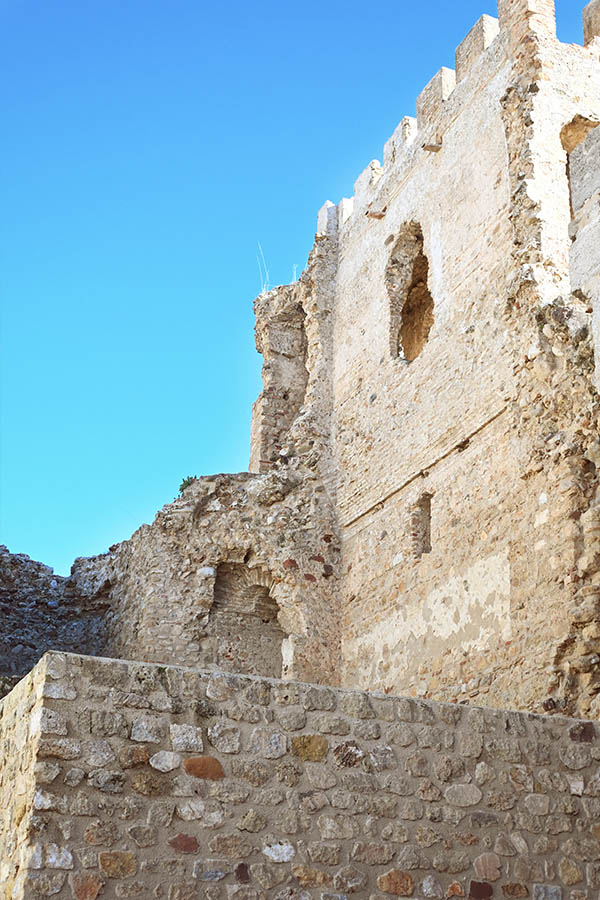
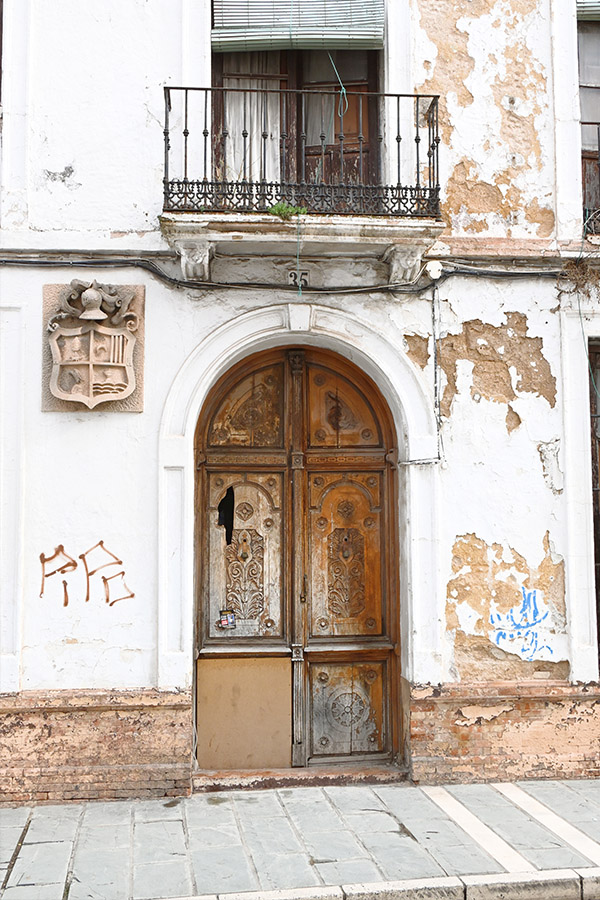
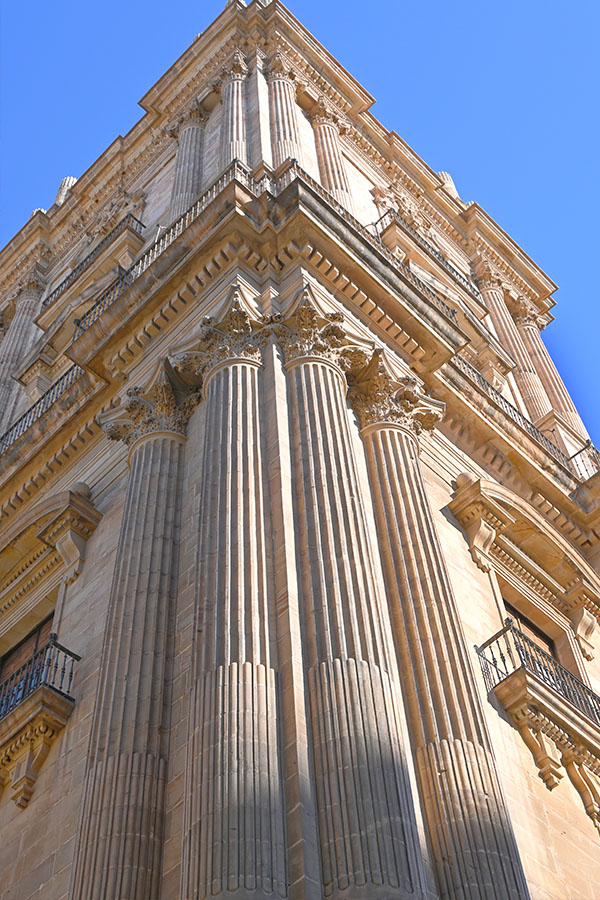
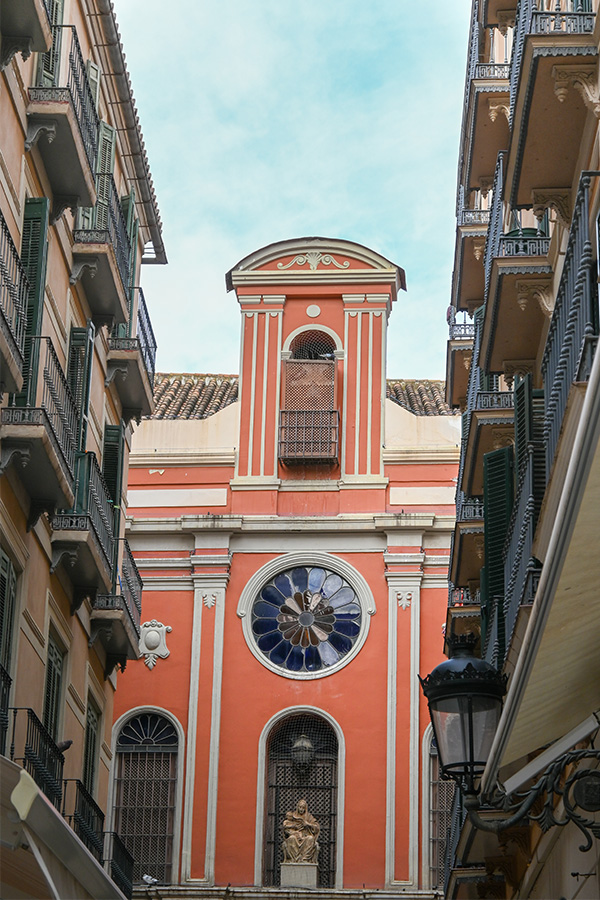
Architecture in Spanish old towns is visually intriguing in a very different way compared to modern cities. Time leaves its marks: on walls, doors, textures and instead of taking away from the beauty, it adds to it. These imperfections make the space feel more real, more layered, almost like a visual story that has been unfolding for years. Sometimes it’s not even about light. A simple wall, a worn texture, or an aged doorway can become a powerful subject for a travel photo. It feels like you are photographing something static, but at the same time full of history and quiet narrative.

architecture-old-town-in-spain
architecture-travel-photography-spain
architecture--door-old-town-spain-travel-phots
architecture-columns-rising-ahead

12. Food markets as documentary photography spaces

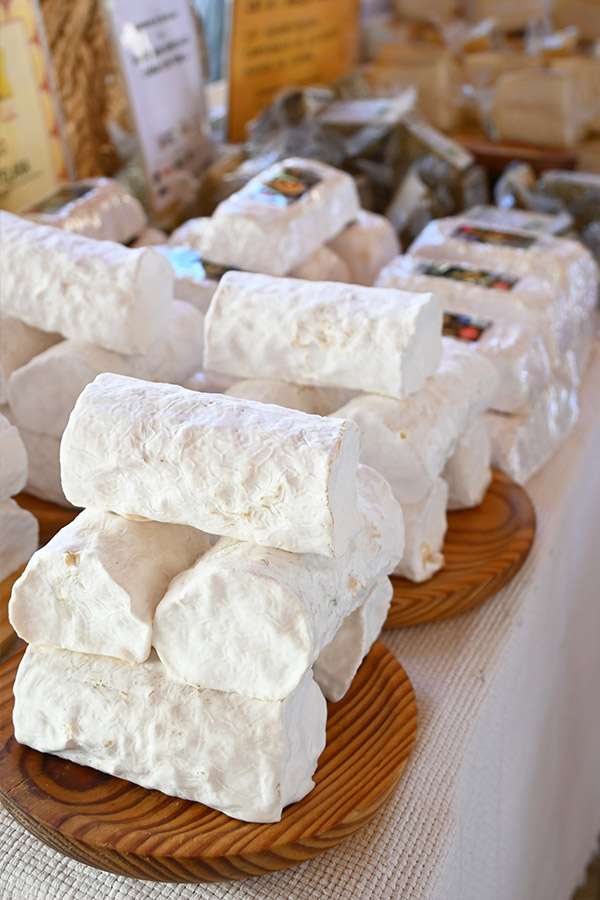
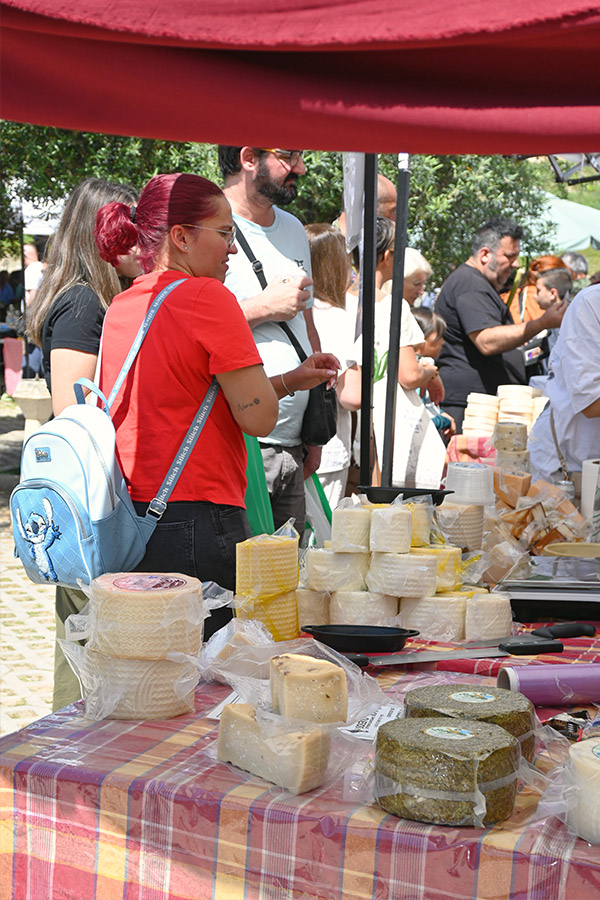
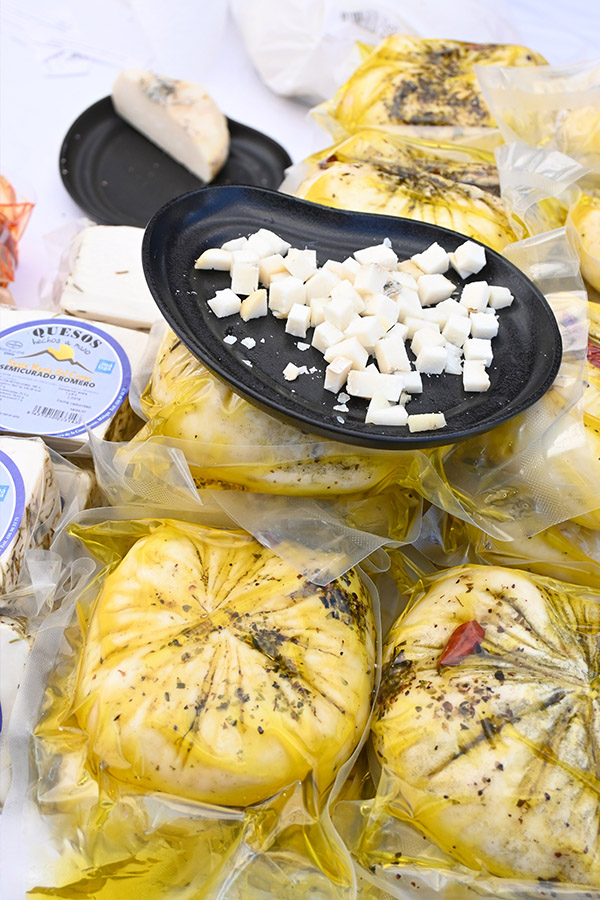
Food markets in Spain are one of my favorite places to explore with a camera and take travel photos. They are full of color, texture, and movement (a delicious food, of course! ). Fresh produce, seafood, spices, everything creates a rich visual environment. And then there are people, which adds another layer to the image. This is where travel photography naturally becomes more documentary. You are not staging anything you are observing. People interact, choose, talk, move, and all of that creates a dynamic scene. Markets are perfect if you want to practice capturing real life in an authentic way, which is an important part of travel photography in Spain.
cheese-market-in-coin-spain
travel-photos-from-food-market-spain
goat-cheese-in-spain-travel-photos
travel-photography-food-market-spain
cheese-markets-coin-spain-travel-photos

13. Overwhelm from visual abundance

One emotional aspect of travel photography in Spain is what I call visual overwhelm.

There are moments when everything feels beautiful at once: architecture, colors, light, textures, streets. It can create a kind of excitement, but also anxiety. You feel like you want to capture everything immediately.

From experience, I’ve learned that it helps to slow down. Give yourself time to adjust to the environment. After a few days, the urgency fades, and you start seeing more clearly and intentionally.

photographing-spain
photographing-architecture-in-spain-travel

14. Practical note about parking in Spain

This is important for those of you who are planning on renting a car to explore Spain on a travel photography trip. Having a car adds convenience, but be ready for limited parking space basically everywhere, especially in the old towns. Apart from the limited number of parking spots, the spaces themselves are often very narrow, so when renting a car, it is better to opt for a smaller one. It might be a big adjustment for those coming from the US (as we did), where roads are very wide and parking is abundant. 

In most old towns, I actually recommend parking somewhere outside the historic center and then continuing on foot. It is usually much easier, less stressful, and honestly a better way to experience the place. Old towns are not really made for driving anyway, they are made for walking. Once you leave the car behind and just explore on foot, you naturally slow down and start noticing much more: small streets, light, textures, and details (like ornaments or tiles) you would otherwise miss while circling for parking.

Spain continues to be an inspiring place for me as a freelance travel photographer. It is a country where history, light, and everyday life naturally come together in a visually rich way.

For me, travel photography here is about learning how to see them slowly and with curiosity.

All images in this article were taken by Elena Sullivan, ArsVie Photo Studio and are protected by copyright. If you are interested in using any of the them, please contact me for permission. Thank you for understanding!

Travel Quiz

Where Do You Belong

Where in the World Would you feel most yourself? Find out which country matches your inner rhythm.

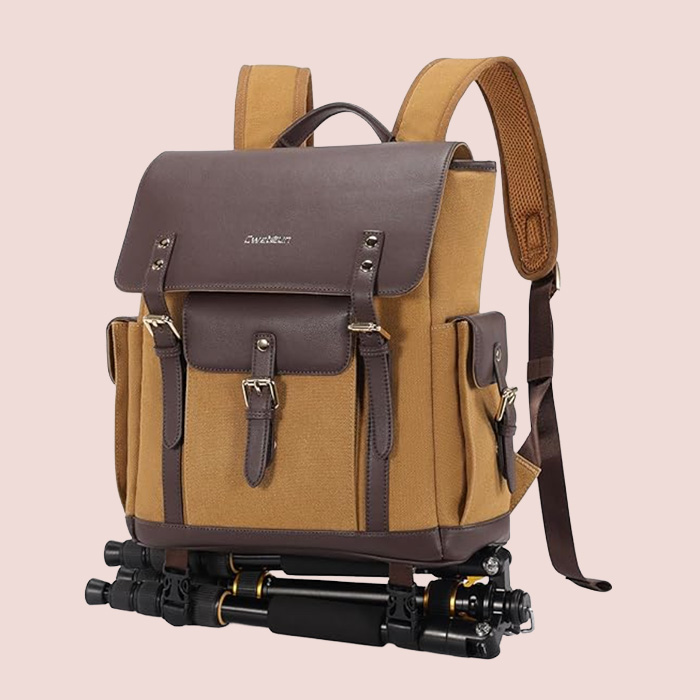
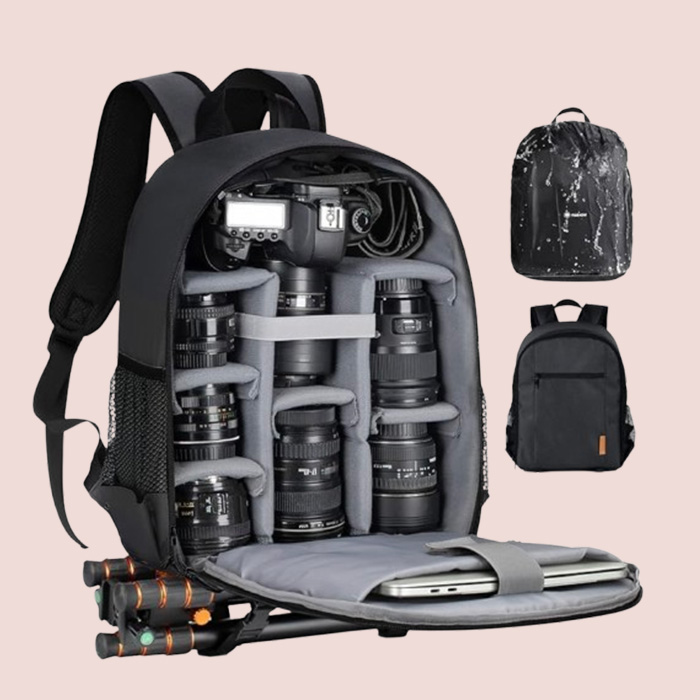
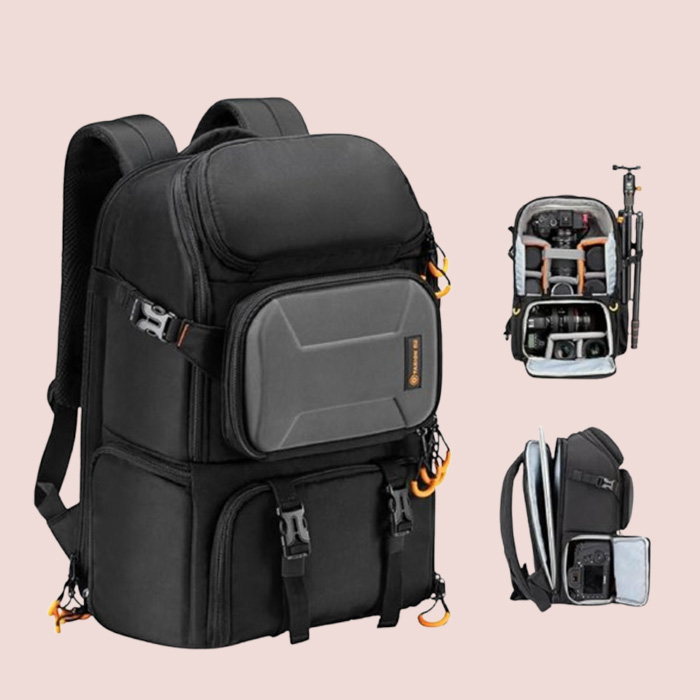
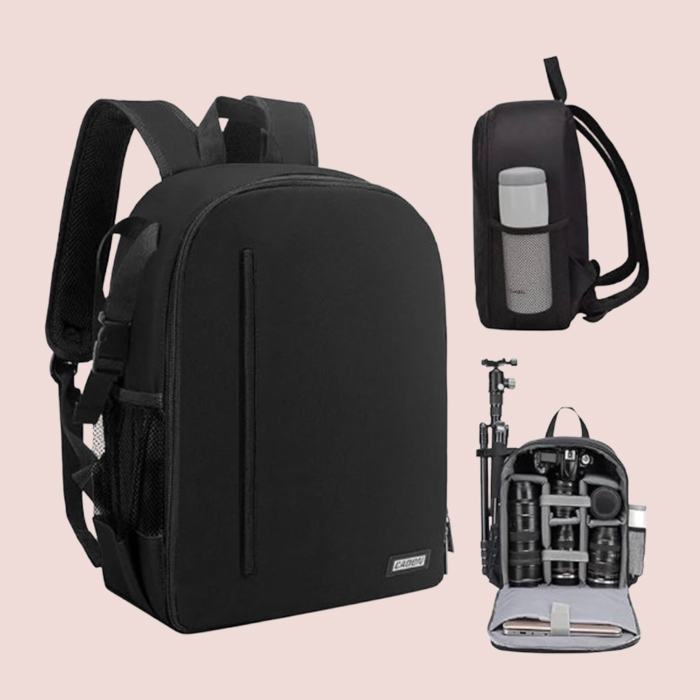
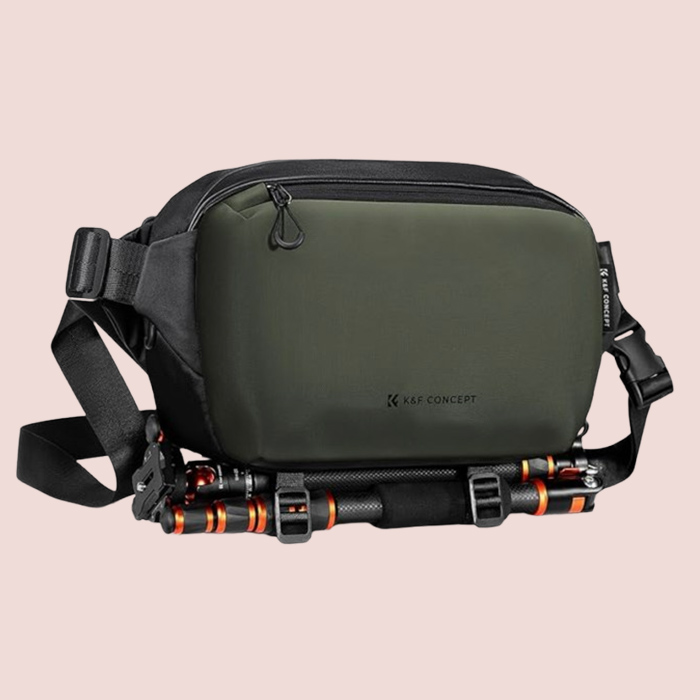
My Travel Photography Gear

*Some of the links in this article are affiliate links. This means I may earn a small commission if you choose to buy through them, at no extra cost to you. Your support helps me keep this blog running and continue creating helpful travel and photography content.

Sharing is caring

Leave a Comment

This site uses Akismet to reduce spam. Learn how your comment data is processed.

Cookies Policy

We use cookies to improve your browsing experience, personalize content, provide social media features, and analyze our traffic. By clicking “Accept All Cookies,” you consent to our use of cookies. You can manage your preferences or find out more by visiting our Cookie Policy.